Phlebotomy Degree: Your Pathway too a Rewarding Healthcare Career
Are you interested in entering the healthcare field with a specialized focus on blood collection and patient care? Pursuing a phlebotomy degree can open the doors to a fulfilling career as a professional phlebotomist. In this comprehensive guide, we will explore everything you need to know about phlebotomy education, including how to obtain your degree, the benefits of becoming a certified phlebotomist, practical tips for success, and the exciting career opportunities that await.
What is a Phlebotomy Degree?
A phlebotomy degree is a formal educational program designed to prepare students to perform blood draws, conduct laboratory tests, and ensure patient safety and comfort during specimen collection. While some roles may require only certification, earning a degree or diploma can enhance your credibility, expand employment options, and provide a solid foundation for future advancement in healthcare.
Types of Phlebotomy Education Programs
Phlebotomy training can vary depending on the institution and level of education.Here are the most common options:
- Certificate Programs: Fast-paced programs typically lasting a few weeks to a few months, ideal for those seeking rapid entry into the workforce.
- Diploma Programs: Slightly more extensive training covering both theory and practical skills, often leading to a diploma recognized by employers.
- Associate Degree in Healthcare or Phlebotomy: A two-year program offering comprehensive education, including general healthcare courses, which can prepare you for expanded roles.
Admission Requirements for Phlebotomy Programs
Most programs have standard prerequisites, such as:
- High school diploma or GED equivalent
- Basic understanding of biology and anatomy
- Clean criminal background checks
- Ability to perform physical tasks and tolerate blood draws
Curriculum and Course Content
Typical phlebotomy coursework covers:
- Human anatomy and physiology
- patient interaction and communication skills
- Blood collection techniques and safety procedures
- Lab safety and infection control
- Managing specimens and documentation
- Legal and ethical considerations in healthcare
Certification and Licensing for Phlebotomists
Even though requirements vary by state and country, certification greatly enhances your employment prospects and credibility. The most recognized certifications include:
- Certified Phlebotomy technician (CPT) from the American Society for Clinical Pathology (ASCP)
- Phlebotomy Certification from National Healthcareer Association (NHA)
- National Phlebotomy Certification (e.g., via NHA or American Medical Technologists)
Preparation for certification often involves completing a recognized program and passing a practical and written exam. Check local licensing requirements to ensure compliance.
Benefits of Earning a Phlebotomy degree
- Faster Entry into Healthcare: Certificate and diploma programs offer quick pathways to start working in healthcare environments.
- High Demand for Phlebotomists: Hospitals, clinics, and diagnostic laboratories continuously seek qualified professionals.
- Flexible Work Settings: Opportunities in hospitals, outpatient clinics, blood banks, and mobile blood drives.
- competitive Salaries: Entry-level salaries are attractive and tend to increase with experience and certification.
- Foundation for Healthcare Advancement: A stepping stone to other healthcare professions, such as nursing or medical assisting.
Practical Tips for Success in Phlebotomy Training
To excel in your phlebotomy program and future career, consider these practical tips:
- gain Hands-On Experience: Engage actively in labs and clinical placements.
- Develop Strong Interpersonal Skills: Comfort with patients helps reduce anxiety and improve cooperation.
- maintain Attention to Detail: Accurate specimen collection and documentation are vital.
- Stay Certified and Updated: Keep up with industry standards and renew certifications as required.
- Network with Professionals: Attend industry conferences and join associations like ASCP or NHA.
Case Study: From Student to Professional
Jane’s journey in phlebotomy
Jane enrolled in a 6-week certificate program after completing her high school diploma. She gained practical experience through clinical rotations, honing her patient interaction skills. Onc certified, Jane secured a position at a local hospital, earning an excellent starting salary. Her dedication and continuous certification upgrades led to a supervisory role within two years, demonstrating how a phlebotomy degree can lead to career growth.
First-Hand Experience: What it’s Like to Be a Phlebotomist
Being a phlebotomist involves more than just drawing blood. It requires excellent communication skills,emotional resilience,and attention to detail. Many professionals find it rewarding to help patients during stressful times and contribute to crucial diagnostic processes. Hands-on training ensures you’re well-prepared to handle challenging situations such as tough veins or anxious patients.
Summary table: Phlebotomy Education at a Glance
| Program Type | Duration | Cost Range | Certification Needed | Employment Opportunities |
|---|---|---|---|---|
| Certificate Program | 4-12 weeks | $500 - $3,000 | Yes, often included | Hospitals, clinics, labs |
| Diploma Program | 6 months - 1 year | $1,500 – $6,000 | Yes | Diagnostic centers, blood banks |
| Associate Degree | 2 years | $7,000 – $20,000 | often required | Hospitals, research, labs |
Conclusion
A phlebotomy degree is an excellent investment for anyone interested in a quick, rewarding, and in-demand healthcare career. Whether you choose a certificate, diploma, or associate degree, the right program can set you on a path toward helping patients, working in dynamic medical environments, and exploring further healthcare opportunities. With proper training,certification,and practical experience,you’ll be well-equipped to succeed as a professional phlebotomist and make a meaningful difference in people’s lives.
Embark on your journey in healthcare today by exploring accredited phlebotomy programs and taking the first step toward a flourishing career in medical specimen collection and patient care.

 Healthcare Jobs Are On The Rise And This Includes Career Opportunities For Phlebotomists.
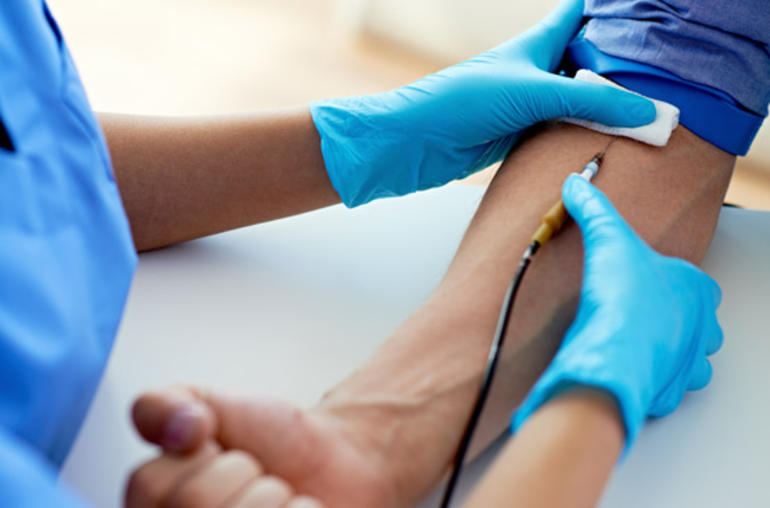 Venipuncture, also spelled, venopuncture, or venepuncture, is a process to gain intravenous access to a particular vein for the purpose of blood sampling, or blood treatment. It is most likely performed by one of the following persons: EMT (emergency medical technicians), paramedics, phlebotomists, or dialysis technicians. Other members of the nursing staff can also perform venipunctue, as most have been trained or certified in phlebotomy prior to starting their nursing careers. Among procedures performed in doctors offices or hospitals, venipuncture is the most commonly performed. There are several main reasons for venipuncture to be performed:
 Phlebotomy certification is the process by which someone obtains a certificate to practice phlebotomy at a given level (if the statewhat is phlebotomy certification has multiple levels of certification). It is a multi-stage process.
 Phlebotomists perform more than 100 blood draws every day with different patients, from infants to the elderly. This type of position demands active interaction with laboratory supervisors, doctors, nurses, health workers, patients and donors since they typically work in laboratories, public and private hospitals, clinics and blood banks.
 A phlebotomist is one who conducts blood collection specimens for analysis and treatment. If you are on this page, you probably are wondering How to become a phlebotomist? An aspiring phlebotomist must get the required training in the field of blood extraction in the vein, artery and capillary. One needs to be exposed to, and not squeamish of blood in order to be one.
 What is phlebotomy? Phlebotomy comes from the Greek words phlebo which means vein and tom meaning to cut, so it means cutting through the vein to extract blood.
 Interested in phlebotomy? You can learn this trade and aquire the necessary skills by joining one of the many accredited phlebotomy training schools. Selecting a phlebotomy school can be quite difficult if you really want genuine and first-class training. You will have a lot of options and there various schools to choose from, but you must be sure to select a program that will serve your purpose best.