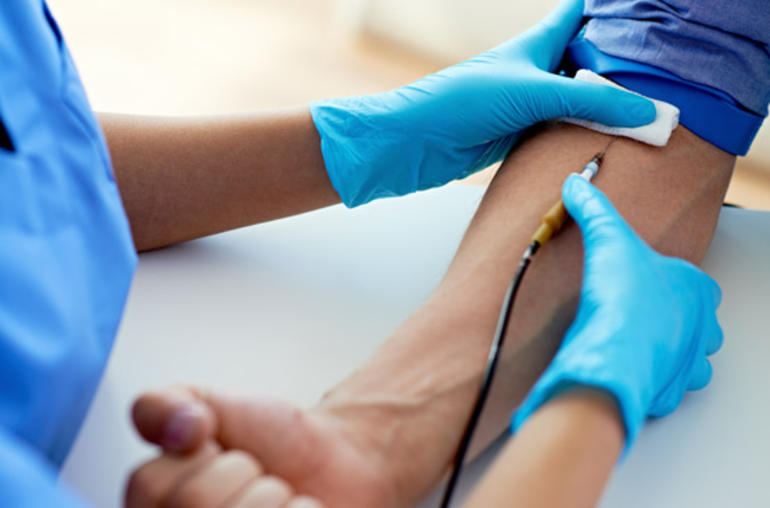
 Venipuncture, also spelled, venopuncture, or venepuncture, is a process to gain intravenous access to a particular vein for the purpose of blood sampling, or blood treatment. It is most likely performed by one of the following persons: EMT (emergency medical technicians), paramedics, phlebotomists, or dialysis technicians. Other members of the nursing staff can also perform venipunctue, as most have been trained or certified in phlebotomy prior to starting their nursing careers. Among procedures performed in doctors offices or hospitals, venipuncture is the most commonly performed. There are several main reasons for venipuncture to be performed:
- Obtain a blood sample for diagnostics
- Collect blood from patients to analyze and later use in blood transfusions
- To administer intravenous treatments, such as chemotherapy, nutrition, and other medicines
- Monitor levels of blood components
- To Remove excess blood from the body due to high levels of red blood cells or iron
Methods for Venipuncture
Taking blood from a vein can be performed many ways. The most common way is by evacuated tube system. The two most common types of vacuum tubes are the Vacutainer, and the Vacuette. These two machines are made up of a plastic hub, a hypodermic needle, and a vacuum tube (obviously).
The best way to perform venipuncture varies from patient to patient and depends on their age, overall health, what tests need to be performed, and what equipment is available at the current facility. It should be noted that there are certain situations and conditions where only a needle and syringe can be used. When this is the case, usually a butterfly catheter attached to a long or short needle is used. This is typical method for performing venipuncture is less developed cultures than the US. With that said, it is still very common to use a needle and syringe, even in the US, under certain circumstances.
 Phlebotomy certification is the process by which someone obtains a certificate to practice phlebotomy at a given level (if the statewhat is phlebotomy certification has multiple levels of certification). It is a multi-stage process.
 A phlebotomist’s main responsibility is to draw blood samples from patients for the purpose of medical testing. A phlebotomy technician is the actually person withdrawing the blood. This position has several advantages over other health-related and nursing careers. Here are the top 5 reasons to become a certified phlebotomy technician.
 Phlebotomists perform more than 100 blood draws every day with different patients, from infants to the elderly. This type of position demands active interaction with laboratory supervisors, doctors, nurses, health workers, patients and donors since they typically work in laboratories, public and private hospitals, clinics and blood banks.
 A phlebotomist is one who conducts blood collection specimens for analysis and treatment. If you are on this page, you probably are wondering How to become a phlebotomist? An aspiring phlebotomist must get the required training in the field of blood extraction in the vein, artery and capillary. One needs to be exposed to, and not squeamish of blood in order to be one.
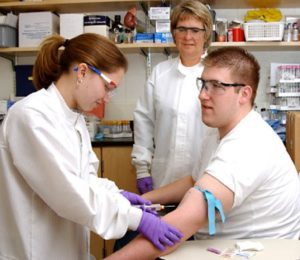 What is phlebotomy? Phlebotomy comes from the Greek words phlebo which means vein and tom meaning to cut, so it means cutting through the vein to extract blood.
 Interested in phlebotomy? You can learn this trade and aquire the necessary skills by joining one of the many accredited phlebotomy training schools. Selecting a phlebotomy school can be quite difficult if you really want genuine and first-class training. You will have a lot of options and there various schools to choose from, but you must be sure to select a program that will serve your purpose best.
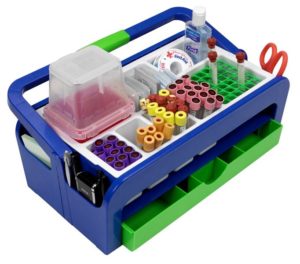 Health care workers who would like to improve their careers might want to consider taking up a phlebotomy training program in preparation for becoming certified professionals. What are the things usually covered in a training program?
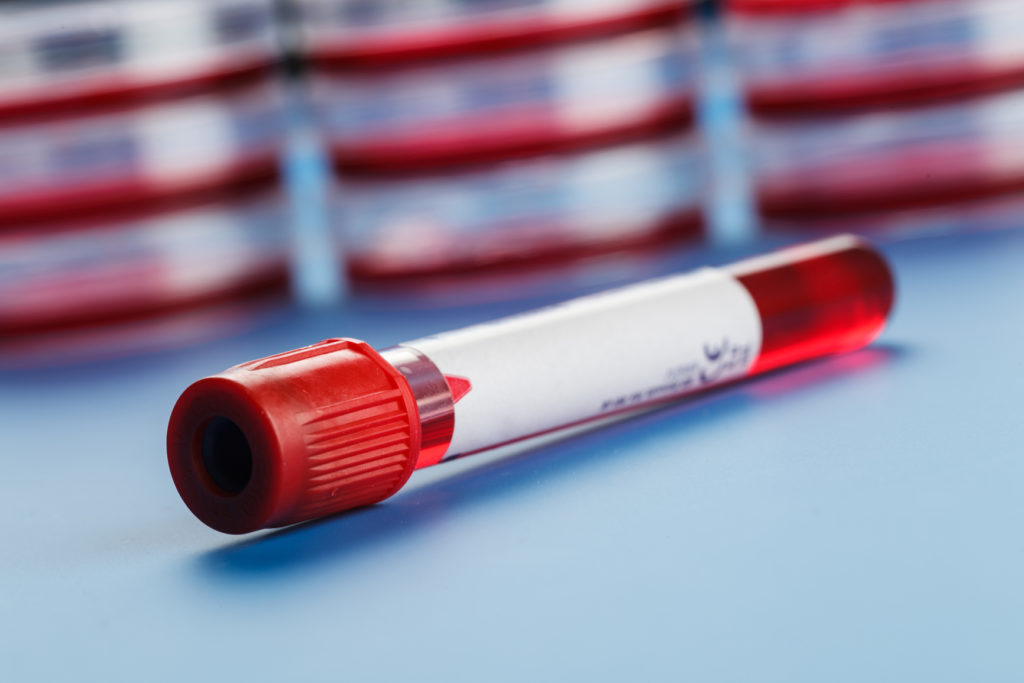
 Students who have met the requirements of one of the 10 possible organizations that certify them capable Phlebotomist have better outlooks on their careers then those who are not certified. They have better opportunities at finding employment at better institutions by being amongst the top of the resumes to be handed in and are likely to gain better pay and opportunities from the employer.
