 Healthcare Jobs Are On The Rise And This Includes Career Opportunities For Phlebotomists.
A phlebotomist is primarily tasked in drawing blood as specimen for laboratory examinations or for donation in blood banks. A phlebotomist is trained in the technique of collecting and handling specimens properly in the laboratory. Phlebotomy certification is not required in all institutions but is a deciding factor for employees when hiring phlebotomy staff for hospitals, laboratories, blood banks and clinics. If you are a certified phlebotomist, your chance of getting the job is greater versus applicants who do not hold a certification in the field.
Here are some benefits or advantages of getting a phlebotomy certification.
- Greater Career Opportunities – Certification is not required in most states except in California and Louisiana but most employers will hire those who are certified because they are more confident and trusting of applicants whose competence are recognized. Being a certified phlebotomist ensures employers that the skills and knowledge of the individuals are at par with the standards set by the national certifying agencies. Getting a job and getting hired is easier if you have a certification, it puts you steps ahead from other applicants.
- Higher Salary – Phlebotomists usually work the usual 9 to 5 work week or in shifts if hired in a hospital setting. Certified phlebotomists have higher salaries than those who are not duly certified by any agency. An average per annum of $26,000 is usually earned by certified phlebotomists.
- Better Skills and Training – Certified phlebotomists have a minimum training of 8-12 months which includes lectures in the basic sciences plus laboratory methods. A minimum 100 hours of clinical hands-on training is also required plus completion of practicum tasks such as venipunctures and dermal punctures is necessary. Training is extensive and applicants for certification need to pass a written exam and skills test before becoming fully certified.
Employers set high standards when hiring health staff especially in large institutions like hospitals and research laboratories. It is best to stand out with a phlebotomy certification from a national certifying organization like the ACA or AMT.
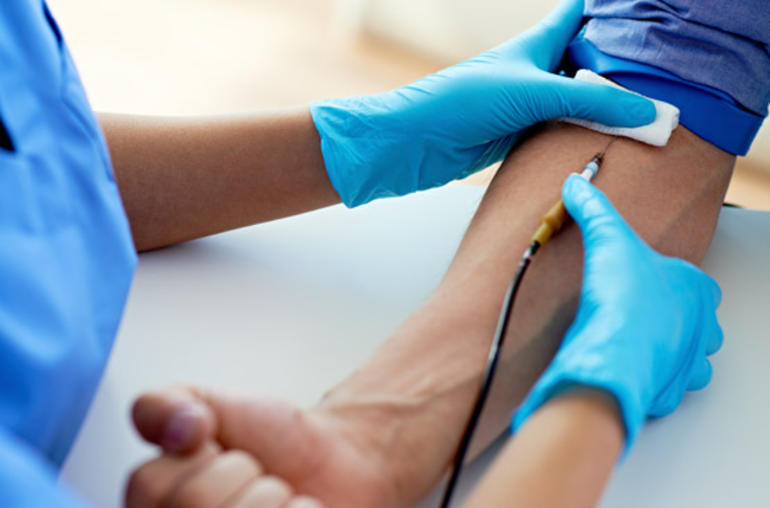 Venipuncture, also spelled, venopuncture, or venepuncture, is a process to gain intravenous access to a particular vein for the purpose of blood sampling, or blood treatment. It is most likely performed by one of the following persons: EMT (emergency medical technicians), paramedics, phlebotomists, or dialysis technicians. Other members of the nursing staff can also perform venipunctue, as most have been trained or certified in phlebotomy prior to starting their nursing careers. Among procedures performed in doctors offices or hospitals, venipuncture is the most commonly performed. There are several main reasons for venipuncture to be performed:
 A phlebotomist’s main responsibility is to draw blood samples from patients for the purpose of medical testing. A phlebotomy technician is the actually person withdrawing the blood. This position has several advantages over other health-related and nursing careers. Here are the top 5 reasons to become a certified phlebotomy technician.
 Phlebotomists perform more than 100 blood draws every day with different patients, from infants to the elderly. This type of position demands active interaction with laboratory supervisors, doctors, nurses, health workers, patients and donors since they typically work in laboratories, public and private hospitals, clinics and blood banks.
 A phlebotomist is one who conducts blood collection specimens for analysis and treatment. If you are on this page, you probably are wondering How to become a phlebotomist? An aspiring phlebotomist must get the required training in the field of blood extraction in the vein, artery and capillary. One needs to be exposed to, and not squeamish of blood in order to be one.
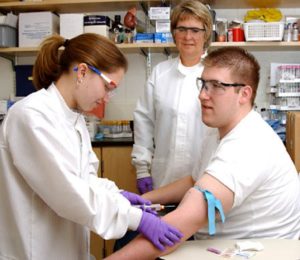 What is phlebotomy? Phlebotomy comes from the Greek words phlebo which means vein and tom meaning to cut, so it means cutting through the vein to extract blood.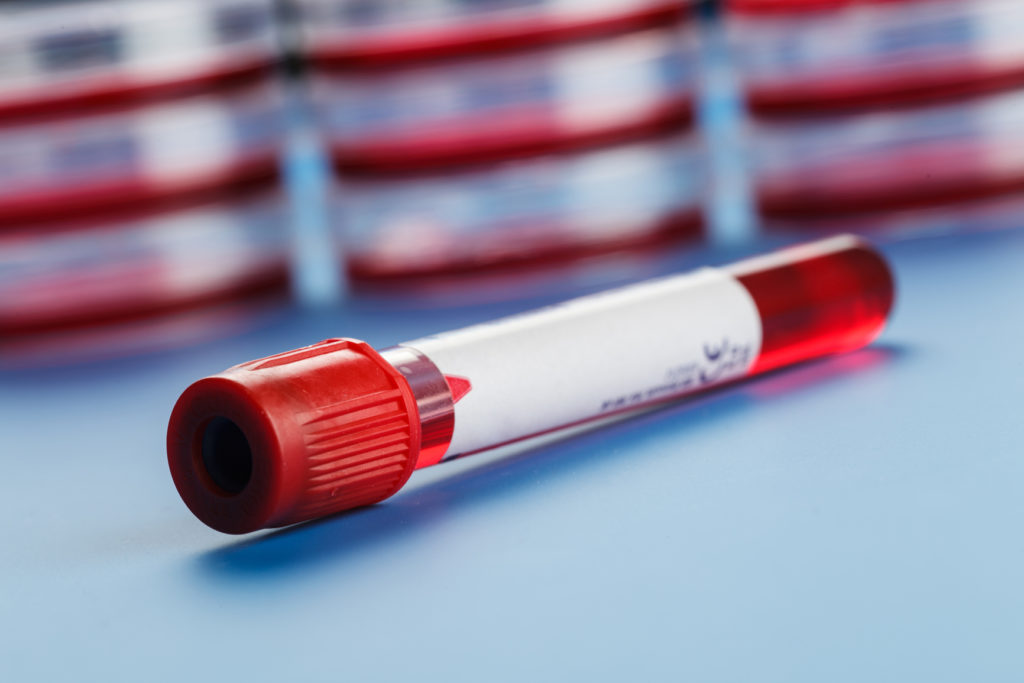
 Students who have met the requirements of one of the 10 possible organizations that certify them capable Phlebotomist have better outlooks on their careers then those who are not certified. They have better opportunities at finding employment at better institutions by being amongst the top of the resumes to be handed in and are likely to gain better pay and opportunities from the employer.
 If you plan to work as phlebotomist then there is a high possibility that you may have considered the suitability of online phlebotomy certification. There are so many online phlebotomy training programs which have been designed to assist interested persons obtain certification without walking into a classroom. Such programs are suitable for people who cannot balance between work and study or those who cannot access land based classes with ease.
 The requirements to earn phlebotomy certification depend on the type of certification you wish to obtain. Not all states are the what are the requirements to be a phlebotomist are the same, but if you live in a state where there is more than 1 type of phlebotomy certification, then you need to be aware of the requirements for each type. For the purpose of this article, we are using California as our example.